



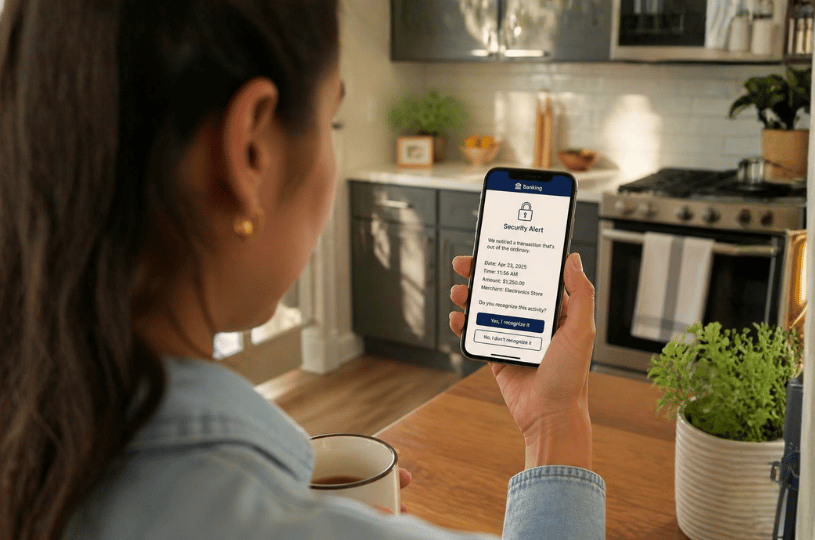
Identity theft and fraud can have serious financial consequences, which is why protecting your personal information is more important than ever. As technology continues to evolve, criminals are finding new ways to gain access to sensitive data and financial accounts.
The good news is that understanding common threats and practicing good security habits can go a long way toward reducing risk. At OakStar Bank, we’re committed to helping our customers stay informed and confident when it comes to protecting their financial information.
Understanding Identity Fraud
Identity fraud occurs when a criminal uses someone else’s personal information without permission to commit a fraudulent act. This may include opening accounts, making purchases, or accessing financial resources using another person’s identity.
As fraud tactics continue to evolve, staying informed about potential risks can help you recognize suspicious activity and take steps to protect your accounts.
Understanding Identity Theft
Identity theft occurs when someone obtains and uses your personal information, such as your Social Security Number, bank account information, or other sensitive data, without your authorization. Identity thieves may attempt to open new accounts, apply for loans, gain access to existing accounts, or commit other forms of fraud using stolen information.
Understanding how identity theft occurs is an important part of protecting yourself and your finances.
Account Takeover Fraud
Account takeover fraud occurs when a criminal gains access to an existing financial account and changes information such as passwords, contact details, or account settings. This often happens when login credentials are compromised through data breaches, phishing attempts, or other cybercrimes.
Once access is obtained, criminals may attempt to make unauthorized transactions or use the account for additional fraudulent activity.
Information commonly targeted in account takeover fraud includes:
-
Online banking usernames and passwords
-
PINs and security questions
-
Social Security Numbers
-
Email addresses and login credentials
New Account Fraud
New account fraud occurs when a criminal uses stolen personal information to open a new financial account in someone else’s name. This may include bank accounts, credit cards, or loans.
In many cases, victims discover this type of fraud after reviewing their credit report, receiving unexpected account statements, or being contacted about an account they did not open.
Card-Not-Present Fraud
As online shopping and digital payments have become more common, card-not-present fraud has become one of the most prevalent forms of payment fraud.
This type of fraud occurs when a criminal uses stolen debit or credit card information to make purchases without physically possessing the card. Card information may be obtained through phishing scams, data breaches, malware, or other fraudulent methods.
How to Help Protect Yourself from Identity Theft and Fraud
While no solution can eliminate risk entirely, a few simple precautions can help protect your personal and financial information.
Be Careful with Sensitive Information
Protect important information, such as your Social Security Number, banking credentials, passwords, and PINs. Store physical documents containing sensitive information in a secure location and shred documents you no longer need. When available, consider enrolling in paperless statements to reduce the amount of sensitive information arriving through the mail.
Be Cautious of Unexpected Calls, Texts, and Email
Scammers frequently impersonate financial institutions and other trusted organizations. If you receive an unexpected request for account information, passwords, or payment details, avoid sharing any information until you’ve verified the request independently.
If in doubt, contact the organization directly using a phone number or website you know to be legitimate.
Review Your Credit Report Regularly
Monitoring your credit report can help you identify unfamiliar accounts or suspicious activity. Federal law allows consumers to access free credit reports through AnnualCreditReport.com, making it easier to review information and address potential issues promptly.
Monitor Your Accounts
Review bank and credit card activity regularly and report any unauthorized transactions as soon as possible. Enabling account alerts through online and mobile banking can help you stay informed about account activity between statement cycles.
Use Strong, Unique Passwords
Using a different password for each account can reduce the risk of multiple accounts being compromised if one password is exposed. Strong passwords generally include a combination of upper- and lowercase letters, numbers, and special characters.
Whenever available, consider enabling multi-factor authentication for an added layer of protection.
Shop Online Safely
When making online purchases, use trusted retailers and verify that websites use a secure connection. Look for “https” at the beginning of the website address and avoid entering sensitive information on sites that do not appear secure.
After completing a purchase, log out of your account, especially when using a shared or public device.
How OakStar Bank Helps Protect Your Information
Protecting customer information is a top priority at OakStar Bank. Our website uses multiple layers of security designed to help safeguard sensitive data, including online banking credentials and other personal information.
When visiting our website, you’ll notice “https” at the beginning of the web address, indicating that information transmitted between your browser and our website is encrypted through secure technology.
Read more about how OakStar Bank protects your accounts and personal information here.
If You Suspect Fraud
If you believe you’ve been the victim of identity theft or fraud, contact us immediately at 417.447.0535. Taking prompt action can help limit unauthorized activity and protect your accounts.
We also encourage customers to take advantage of account alerts through online and mobile banking to stay informed about account activity and identify potential concerns as quickly as possible.